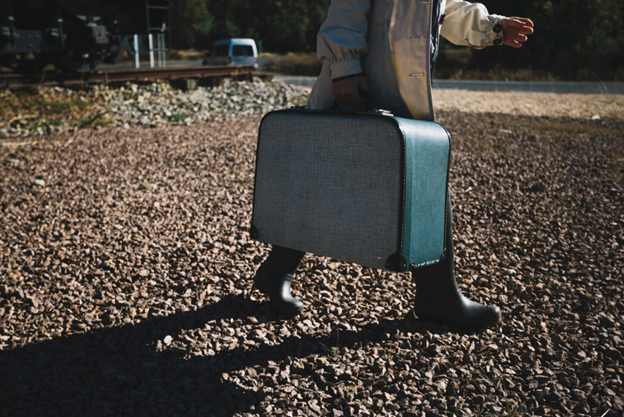
“They did not have money to spend. They had hope, and they refused to surrender to despair.”
When did you last feel like hope was all you had left?
The Night Everything Changed
Picture a family in the Russian Empire in the 1880s. Rumors of a pogrom spread through town. Neighbors whisper. Fathers lock doors. Then the mob arrives, and everything changes in a single night. Homes burn. Shops fall. Families run with whatever they can carry. Over the next decades, millions of Jews fled the Tsar’s empire. They left behind homes, graves, and everything familiar. Many slipped across borders in the dark. Many waited in crowded, hungry camps. Then they boarded ships bound for a country they had never seen. They carried almost no money. They carried hope, and they refused to give in. Choosing hope over despair did not erase their fear or their hunger. It simply kept them walking, one step after another.
Your struggles likely look different. Maybe you face a layoff, a big move, or a season that drains you. Still, the mindset that carried these refugees works in modern life, and it is practical. In this post, you will find five lessons in perseverance you can use this week. So, grab a coffee, and let’s dig in together.
Lesson 1: Start From Where You Are, Not Where You Wish You Were
Picture this: a shop in ashes and a pack on his back.
A father once owned a small shop. After the pogrom, he owns nothing. In a refugee camp, he grieves for a week. Then he starts counting what remains: strong hands, a clever mind, and a family who needs him. Years later, in a small American town, he sells goods from a pack, one door at a time.
What this looks like today
You may have lost a job, a home, or a plan. That hurts, and you can say so. But you can’t rewrite page one. You can write page two. List what you still have: skills, friends, time, one small next step. Then take that step today.
Takeaway: Your starting line does not set your finish line.
Lesson 2: Lean on Your People (and Let Them Lean on You)
Picture this: a neighbor at the door.
When the mob came, one neighbor hid a family in a cellar. Another shared bread. Later, a relative in America mailed a ship ticket, and aid societies helped newcomers find beds and work. Nobody survived alone.
What this looks like today
Asking for help feels awkward. But do it anyway. Text the friend. Join the group. Tell your manager you feel stretched thin. Then flip the script: who needs you this week? A short call or a shared meal counts.
Takeaway: Ask for help, and then offer it too.
Lesson 3: Keep Moving When the Path Is Unclear
Picture this: a border, a dark night, no map.
The family had no guarantees. They crept across the border at night, then waited for months in a crowded town, hungry and unsure. Thousands of other refugees waited beside them. Finally, they boarded a ship bound for a land they had never seen.
What this looks like today
You rarely get a full map. Nobody does. Thus, waiting for certainty can freeze you for years. Pick a direction and move. Hope over despair means you act before you feel ready. Send the application. Book the call. Start the draft.
Takeaway: Progress beats perfection.
Lesson 4: Learn the New Language (Literally or Figuratively)
Picture this: a peddler with a handful of words.
He knew only a handful of English words. He sold anyway. Customers laughed at his accent, and he laughed with them. His children learned faster, so they translated at the table each night. And then, within a few years, he ran a small store of his own.
What this looks like today
New software. New industry. New city. Feeling like a beginner stings, but the feeling passes. Ask questions. Laugh at your slip-ups. Practice ten minutes a day. Every expert once sounded clumsy.
Takeaway: Beginners build new lives, so push through the awkward stage.
Lesson 5: Let Kindness Reset Your Story
Picture this: the first kindness in years.
After years of fear, the refugees met a shopkeeper who offered credit, a teacher who welcomed their daughter, and neighbors who brought food. None of them demanded anything back. Those small moments gave the family room to breathe, and room to grow.
What this looks like today
After a hard season, good things can feel suspicious. But let them in. Accept the compliment, the invitation, the second chance. Then pass it on. Hold the door. Mentor a newcomer. Hope over despair gets easier when others show up for you, and when you show up for them.
Takeaway: Accept kindness, then pay it forward.
Final Thoughts
Families like these crossed oceans with almost nothing, and they built lives that still shape ours. Their stories prove that hope over despair is a choice you can make again every morning. Some of those families wrote their own stories down.
“The Refugee Family” shares the writings of Rose Slesnick, compiled and adapted by Stephen Slesnick. Rose was born in Kiev in 1878, under the Tsars. Her family survived the 1881 pogrom, escaped across a border, and built a new life in small-town Pennsylvania. She tells it all in her own voice. As the book says: “They did not have money to spend. They had hope, and they refused to surrender to despair.”
Ready to meet a family who lived this? Then, grab your copy of “The Refugee Family” today and hear Rose tell it herself.