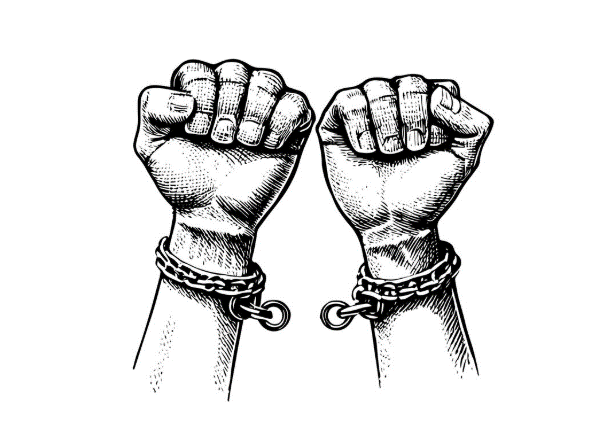
Growing Up Free — Without Knowing the Cost
For most people, freedom feels like something that simply exists — a given, not something anyone had to earn. Basic rights like choosing where to live, what to believe, or how to worship often go unquestioned, simply woven into everyday life. But for many families with roots in persecution, that sense of “just having” freedom tells only half the story. Somewhere in the family tree, there’s usually someone who didn’t have those freedoms at all — someone whose fight for freedom wasn’t symbolic or historical, but urgent and real. Understanding that history changes the way freedom feels. It stops being background noise and starts feeling precious — something people once desperately wanted, even though they had every reason to give up hope.
This shift in perspective is exactly why revisiting family history matters — not to dwell on hardship, but to rediscover just how meaningful ordinary freedoms really are, and how much hope can be inherited along with them.
What Freedom Meant to the Generations Before Us
A Right They Never Had
Earlier generations who lived under persecution couldn’t count on basic freedoms — those freedoms often stayed completely out of reach. Simple things like:
Choosing where to live
Practicing religion openly
Speaking freely without fear of punishment
Building a stable, safe future for their children
…were far from certain. For many families, the fight for freedom wasn’t a metaphor. It was survival.
Something Earned, Not Given
This is where the story becomes especially powerful: for immigrant families like Rose Slesnick’s, freedom wasn’t an abstract ideal that classrooms discussed. It was the entire reason they took risks in the first place. They didn’t leave everything behind lightly — they did it because freedom felt worth any cost.
Inheriting Someone Else’s Dream
Carrying a Dream Forward
There’s something powerful about realizing that the freedoms enjoyed today were once someone else’s dream. Someone who had nothing guaranteed at all once hoped for the very rights that feel automatic now — voting, speaking openly, living without fear.
Recognizing this turns ordinary freedoms into something deeply meaningful. It reframes daily life as the continuation of someone else’s fight for freedom, rather than something that simply appeared on its own.
Gratitude as a Daily Habit
Understanding this history tends to build quiet gratitude — the kind that shows up in small moments:
Casting a vote without hesitation
Speaking an opinion out loud without fear
Living somewhere simply because it was chosen, not forced
These small, everyday freedoms carry more weight once you understand their history.
How This History Shapes a Hopeful View of Civic Life
Democracy as an Ongoing Promise
One of the most hopeful ways to view democracy is not as something perfect or finished, but as a living, evolving promise. Progress isn’t always immediate, but history shows that the pursuit of freedom tends to expand over time, shaped by the same hope that once pushed earlier generations to keep going.
This is where personal history and public life intersect. For many, this same generational hope shapes years spent in public service. Public service can become less about political ambition and more about honoring the sacrifices made by those who came before.
Small Actions, Big Meaning
Everyday civic actions may seem minor, but they carry real significance. Voting in local and national elections. Staying informed about community issues. Getting involved, even in small ways, in civic or community life.
Each of these actions quietly continues the same hope that once fueled someone else’s fight for freedom — proof that hope, once passed down, doesn’t have to end.
Why This Story Sparks Real Optimism
Freedom Tends to Grow, Not Shrink
History offers a genuinely hopeful pattern: once freedom is fought for and won, it tends to expand and strengthen over generations, rather than disappear. Rights once considered radical eventually become expected, then protected, then celebrated.
This isn’t a reflection tied to one political side or one era — it’s a broader, more universal takeaway. The fight for freedom that began generations ago continues today in quieter, steadier ways, carried forward by ordinary people simply living their lives.
A Legacy Worth Celebrating
Every generation inherits the freedoms fought for by the one before it — and every generation gets the chance to add something meaningful to that legacy. This is where the fight for freedom becomes less about looking backward and more about moving forward with purpose and gratitude.
A Closing Thought Worth Carrying Forward
Hope, it turns out, isn’t naïve — people inherit it. Generations quietly pass it down, carrying it inside freedoms that people enjoy without even realizing where they came from, often without much fanfare. Somewhere in the past, someone hoped for exactly the kind of life people live today. That’s not something to take lightly — it’s something worth appreciating, protecting, and building on.
Curious how one family’s courage helped shape generations of hope and freedom? The Refugee Family by Stephen Slesnick tells that story. Read it and discover the legacy behind the freedoms we often take for granted. It’s more than history; it’s a reminder of how much strength and hope can be quietly passed down, waiting to be rediscovered by anyone willing to look a little closer at where they came from.